Ledger introduces the Atom, a secure data-focused device for running everyday applications, available for reservation at $849 with a 2027 delivery timeline.
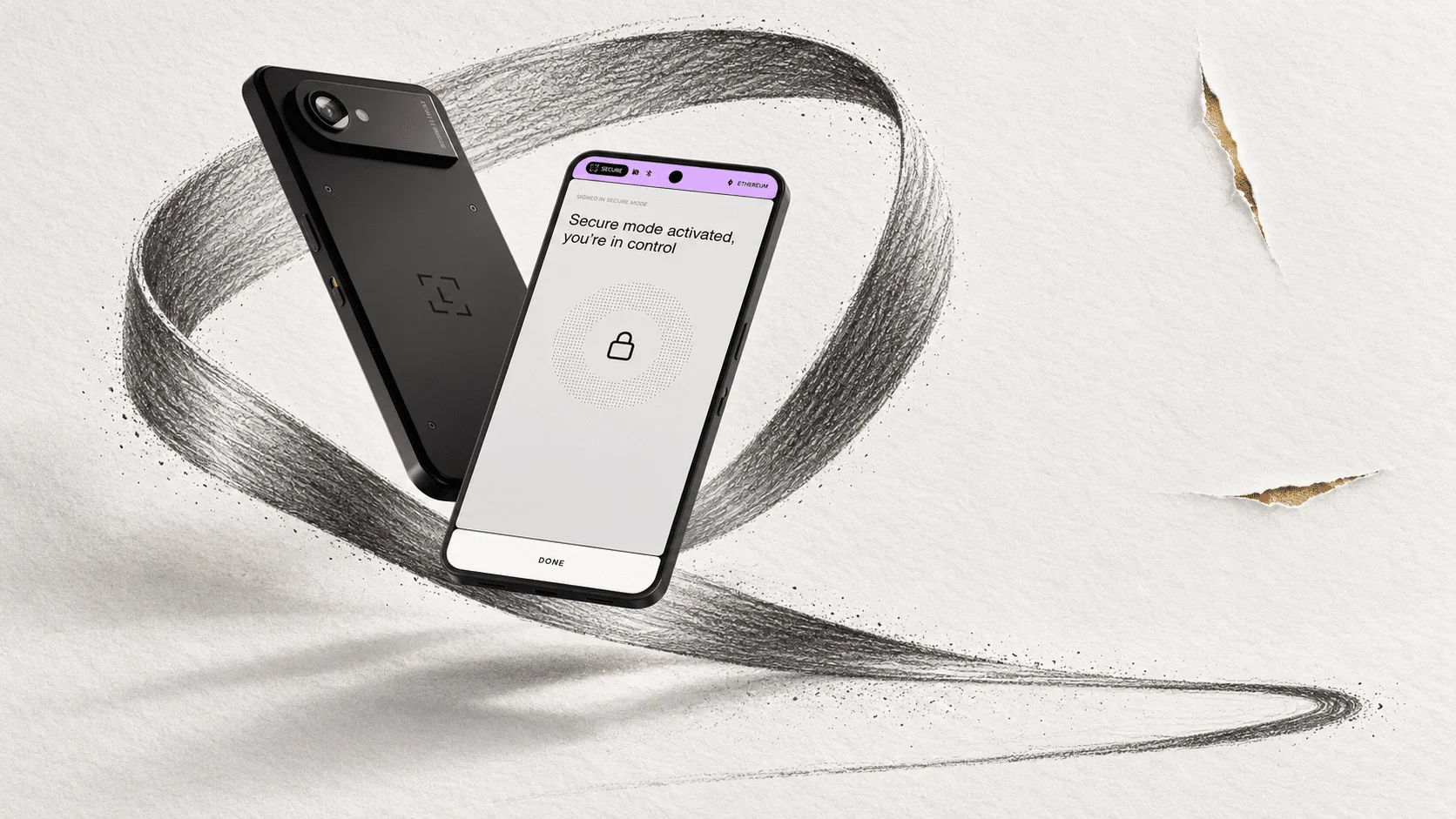
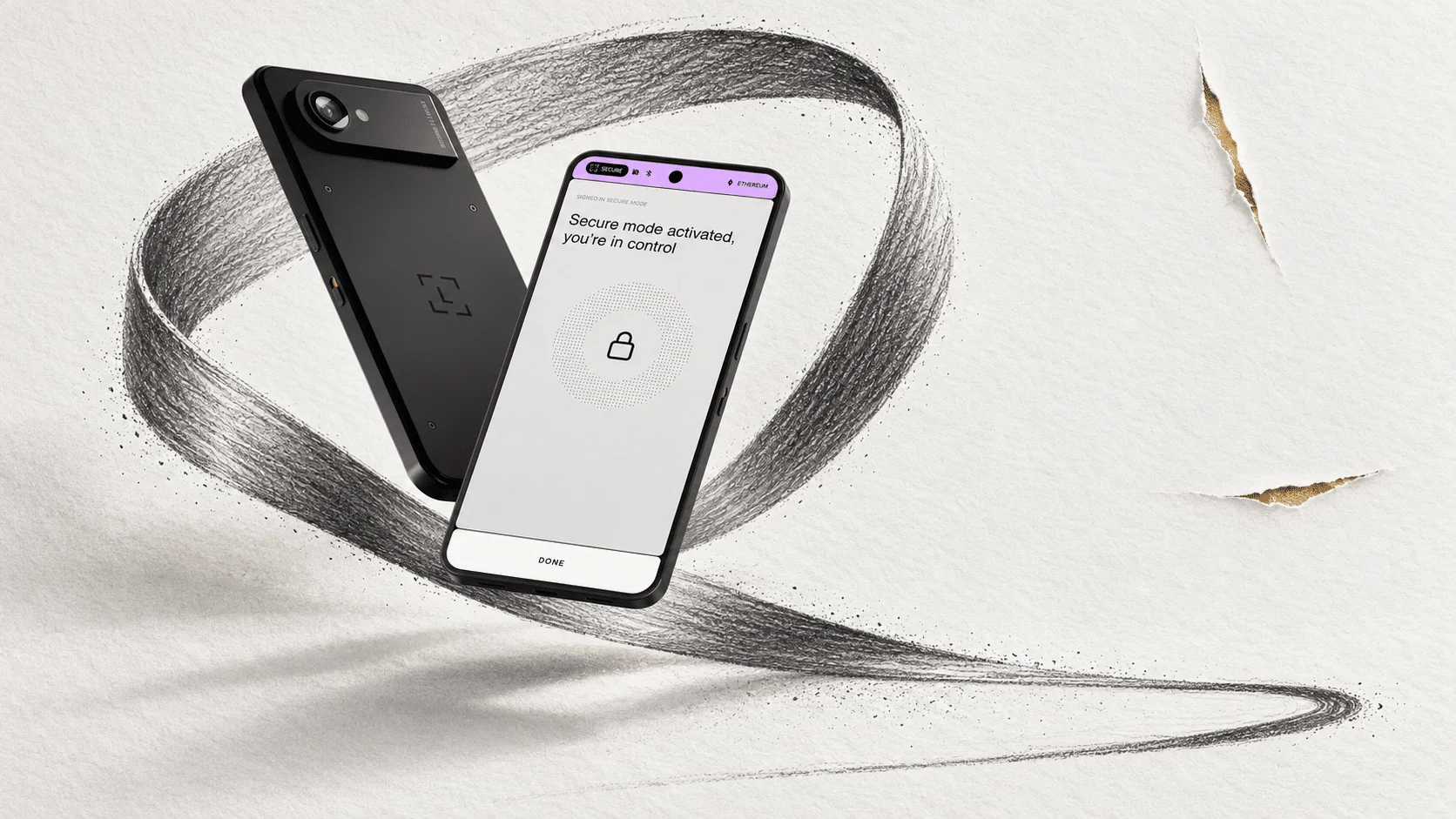
Ledger has made a significant move in the technology space by launching its Ledger Atom on October 15 during the Op3n 2026 event. This device, priced at $849, marks a departure from Ledger’s traditional hardware wallets, as it aims to facilitate the use of everyday applications while maintaining a strong focus on security. The company expects to deliver the Atom in 2027.
A New Direction for Ledger
CEO Pascal Gauthier explained that customers have long expressed interest in a device that could function like a Ledger phone. However, the Atom isn't a phone at all; it’s a data-centric device that connects via 4G and 5G networks but lacks the capability to make cellular calls or send SMS. This fundamental distinction positions the Atom primarily as a secure application platform, not a general communication device.
It’s clear that Ledger is keen on carving out a niche that combines portability with security. By avoiding the conventional features of a smartphone, the Atom seeks to reduce vulnerabilities inherent in standard mobile devices. This decision could resonate with security-conscious users who prioritize protecting their digital assets over having a multifunctional gadget.
What may stand out is how this device reflects growing consumer demand for technology that emphasizes security. Users increasingly seek tools that cater to their digital asset management needs while minimizing risks associated with connectivity. This pivot towards security-centric devices indicates a broader trend in tech, where privacy and protection are non-negotiable priorities. If you’re working in this space, you might want to keep an eye on how users respond to this blend of features.
Security Architecture
In terms of security, CTO Charles Guillemet outlined that the Atom operates using two distinct systems. The main operating system is derived from the Android Open Source Project, while the proprietary Ledger OS runs on a separate secure chip. This configuration also features an FPGA—field-programmable gate array—that helps manage user interactions by shifting the display into a secure mode whenever necessary, effectively guarding against visual manipulation attacks.
Guillemet emphasized the importance of the device’s display, stating that many attacks target the visual interface where users are prompted for sensitive approvals. This is where the Atom’s design really shines. By maintaining a separate environment for secure transactions, Ledger aims to create a fortress that’s harder for malicious actors to penetrate. After all, many successful breaches occur because users are misled into approving transactions without scrutiny.
To bolster security, Ledger has incorporated an “active shield” designed to detect tampering before the Atom reaches the user. This proactive approach is noteworthy; it's not just about defense but also anticipating potential threats. The device is equipped with a hardware Privacy Switch that disables the camera and microphone when not in use, further reducing risk. This kind of vigilance in design isn’t just smart — it’s essential in a world where every connected device can potentially be an entry point for cyber threats.
Strategic Partnerships and Application Support
Ledger is strategically partnering with several industry players, including Solana Mobile, which has chosen Ledger as its first hardware partner. The Seeker app will come pre-installed on every Atom, facilitating further engagement within the crypto ecosystem. This partnership signifies more than just software development; it reflects a recognition that collaboration is key in a rapidly changing industry. By aligning with others in the space, Ledger aims to provide a more holistic user experience that could effectively tie different elements of the cryptocurrency world together.
Ledger is also exploring collaborations with Kraken and has identified UAE-based Cyber50 as a key launch partner. These partnerships suggest a strong commitment to enhancing user experience while improving security protocols. You'll notice it’s not just about developing the device in isolation; it’s about making sure there’s a vibrant ecosystem ready to support the Atom from day one.
This device also enables Ledger Agent Intent, a feature that allows AI agents to send requests to users for approvals on transactions requiring physical confirmation via a Ledger signer. Ledger has already made this functionality available on compatible devices, indicating its intention to keep improving interaction security. This is more significant than it looks; as the crypto environment evolves, ensuring secure interactions will be paramount for user trust.
Reservations and Future Outlook
Reservations for the Founders Edition require a fully refundable deposit of $100, while post-launch orders will be priced at $899. Different timelines exist for delivery estimates; Gauthier suggests a timeframe in the second quarter of 2027, though official communications suggest a summer 2027 rollout. While some excitement surrounds the Atom, potential buyers should approach with caution. The market can shift quickly, and what may seem promising today can change as new competitors enter the fray.
In light of these developments, Ledger is positioning the Atom as a versatile yet secure option in the ecosystem of digital assets, actively responding to user demand for more integrated technological solutions. Yet, as anticipation grows, so do the expectations. It’ll be fascinating to see how the Atom performs in an environment where consumers are more educated about security and demand transparency.
Significance and Implications for the Future
The launch of the Ledger Atom could reshape expectations around hardware wallets and security-oriented devices. If successful, it might inspire other tech companies to prioritize such hybrid models that combine application functionality with security measures. This kind of shift could influence not just consumer behavior but also regulatory discussions as authorities aim to better understand the security implications of connected technology.
As we look ahead, the stakes are high. Anyone involved in crypto or digital finance must pay attention to these changes. The Atom isn’t just another gadget; it could signal a transformation in how we interact with digital currencies and manage privacy. The potential success of the Ledger Atom will likely affect how we think about secure transactions and the responsibilities companies have in protecting user data.



Discussion
Sign in to join the discussion.