Dogecoin Labs will run three DOGE products as the Foundation shifts to a commercial partnership model and House of Doge moves operations into the new company.
Dogecoin Labs brings products under one operator
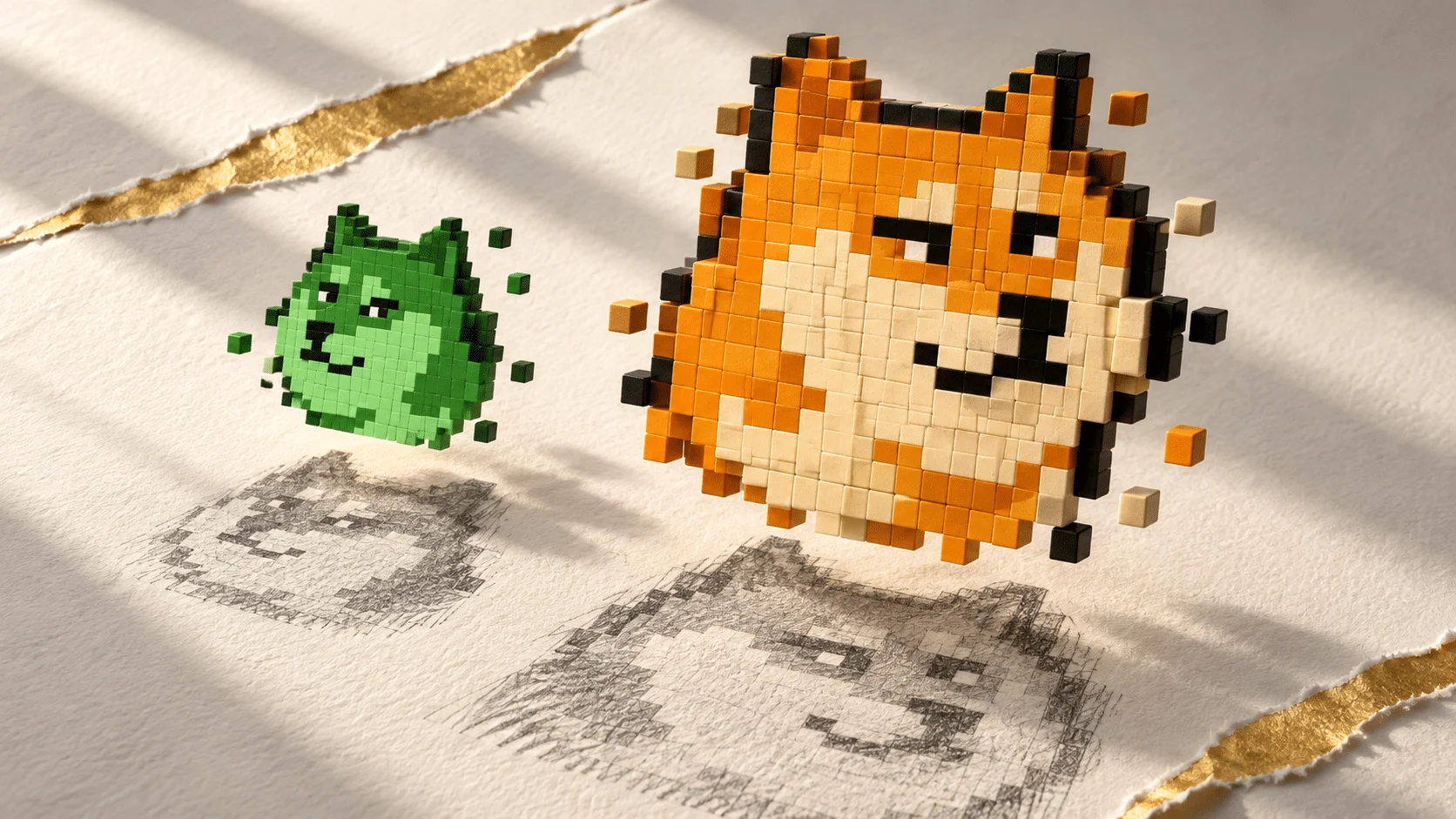
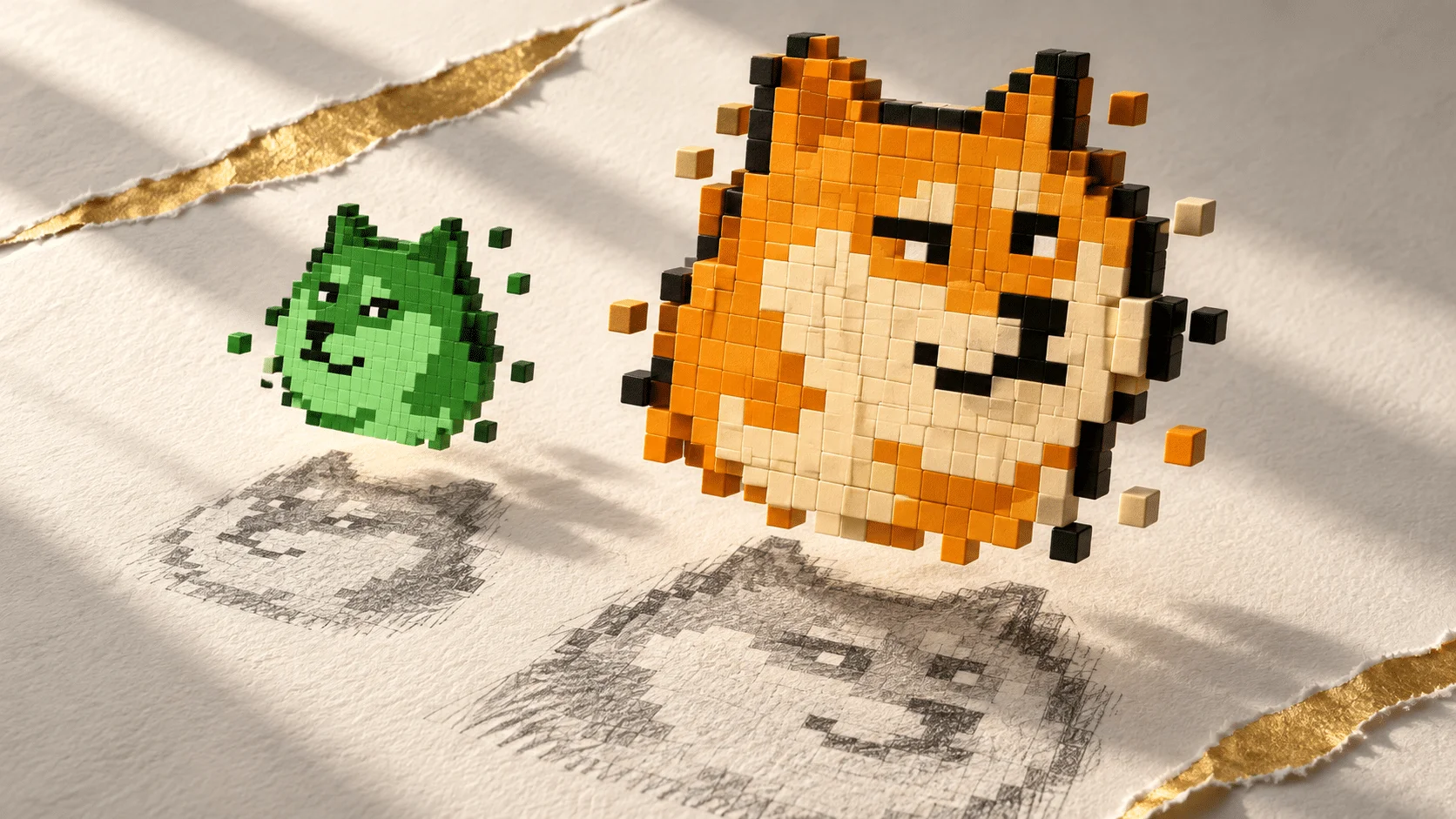
Dogecoin Labs puts three products under one commercial operator: the MyDoge wallet, the DogeOS application layer and Such App, a merchant payments service. The company launched Wednesday through an agreement with the Dogecoin Foundation, which retains its stewardship, open-source and community responsibilities. That division of duties is central to the arrangement: Labs takes on the work of operating and developing products, while the Foundation remains responsible for the network’s broader principles and community.
The move gives projects with different functions a shared organizational home. A wallet helps people hold and use DOGE; an app environment aims to support software built around it; and a merchant service targets payments. Putting those efforts together could make coordination easier, though it doesn’t by itself show that users or merchants will adopt the products. The test will be whether the company can connect the pieces into experiences people return to.
MyDoge and DogeOS founder Jordan Jefferson is Labs’ CEO. Tim Stebbing, a Foundation director, also joins as a Labs director. Jefferson argued in the launch announcement that Dogecoin’s liquidity, community and cultural reach remain underused. That is the business case for the new company: convert an established asset and a recognizable community into demand for practical products. The claim is plausible, but reach and enthusiasm don’t automatically translate into sustained use.
Products at different stages
DogeOS, an EVM-compatible app environment for DOGE, opened a public testnet on Sept. 30. The announcement set no mainnet date. A testnet gives developers and users a place to try an application environment before a full release, but it doesn’t establish when the system will be ready for broader use or what activity it can support. For now, DogeOS remains a development effort with its next major public milestone unspecified.
MyDoge says it has more than 500,000 users and recently released version 3. That reported user base gives Labs an existing product with a larger audience than a platform still in testing, although the figure alone doesn’t show how many people use the wallet regularly. Such App is in beta, with invoicing and in-person QR payments available; integration with DogeOS is planned. Those features point toward everyday merchant use, but a beta product still needs to prove that its payment flow works well enough for businesses and customers to keep using it.
Stebbing said the new structure is intended to help the community build products people use while maintaining Dogecoin’s principles and open development model. The product lineup links a widely used wallet with an app platform still in testing and a payments tool still in beta. That’s a meaningful range of work, but also a demanding one: each product has different users, technical needs and measures of success. The company will have to show that shared ownership improves execution rather than simply placing several unfinished efforts under one name.
House of Doge shifts its role
House of Doge (NASDAQ: HODO), previously the Foundation’s exclusive commercial partner, is transferring parts of its Dogecoin product, engineering and commercial operations to Labs in exchange for an equity stake. The companies haven’t disclosed the stake’s size or a valuation. The Foundation agreement changes from exclusivity to a long-term license. In practical terms, the revised structure gives Labs a defined role in commercial product work while House of Doge retains other business interests tied to Dogecoin.
The undisclosed stake leaves an important part of the deal’s economics unclear. Equity can align the companies’ interests, but the announcement doesn’t say how ownership is divided or how much value the transferred operations represent. Readers can see the outline of the transaction, not its full financial terms. That makes the operational change easier to assess than the economic one.
That license leaves House of Doge able to continue working with 21Shares on the Dogecoin ETF (TDOG), the 2x Long Dogecoin ETF (TXXD) and a Dogecoin ETP listed on the SIX Swiss Exchange. House of Doge described the agreements as definitive, while listing closing conditions as risks in its forward-looking statements. The license therefore appears designed to preserve House of Doge’s work on those products as Labs takes on parts of the product and engineering operation. The announcement doesn’t describe the precise boundaries of each party’s responsibilities.
The company’s release names Alex Lewis, another MyDoge and DogeOS founder, among Labs’ leaders and says Stebbing is leaving the House of Doge board to join Labs. CEO Marco Margiotta said the arrangement will let House of Doge focus on tokenizing alternative investment products and its strategic sports investments. That gives the restructuring a second purpose: it narrows House of Doge’s operating focus while putting Dogecoin’s consumer-facing products in a separate company.
What the structure needs to prove
This is more significant than it looks: the companies are drawing a clearer line between Dogecoin’s stewardship and the commercial work built around it. That separation may help the Foundation preserve its open-source and community role while Labs pursues products with direct users and merchants. Yet the structure can only help if responsibilities stay clear and the products make progress. A new corporate arrangement is an organizational change, not evidence of product-market fit.
If you're working in this space, the key distinction is between the products’ current status and their intended role. MyDoge is already available and reports a substantial user base; DogeOS is on a public testnet with no announced mainnet date; Such App remains in beta. (And this is the part most people overlook.) A shared operator can coordinate development, but it can’t erase the distance between a test environment, a beta service and a mature product.
Here's the thing: Labs has a straightforward opportunity to make Dogecoin more useful across wallets, applications and payments, but it has to earn that claim through execution. The most concrete next signal in the announcement is a DogeOS mainnet date, which hasn’t been provided. Merchant uptake and continued wallet use will also matter, though the release offers no new figures for either. A lot remains to be demonstrated.
Get Unchained’s crypto news in your inbox with the free Unchained Daily newsletter.
Related Listen: Why Memecoins Are Crushing Real World Assets on Robinhood Chain
The shift gives Dogecoin’s wallet, app environment and payment product a shared commercial home, while leaving the Foundation in its community role. DogeOS’s next milestone remains a mainnet launch date, which hasn’t been announced. The arrangement is now in place; the harder question is whether Labs can turn that alignment into products that people use consistently.


Discussion
Sign in to join the discussion.