U.S. spot Bitcoin ETFs have rebounded, moving from a $5.8 billion deficit to $800 million in net inflows this year, reflecting renewed investor confidence.
Spot Bitcoin ETFs in the U.S. have recently experienced a notable turnaround, pivoting from a significant net withdrawal to positive inflows for 2026. After hitting a low of approximately $5.8 billion in July, these funds are now reporting around $800 million in net gains this year, marking a substantial shift of over $6 billion.
Turning Point: Six-Day Inflow Streak
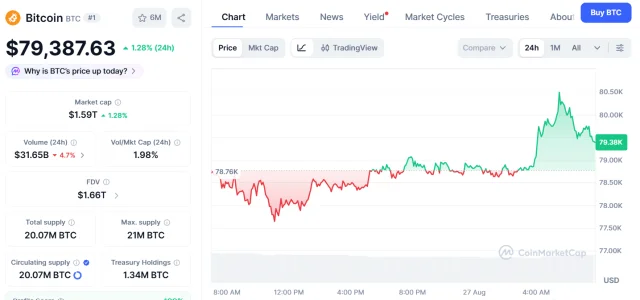
The recent recovery has gained momentum, showcased by a remarkable inflow of about $2.84 billion over just six consecutive days. This surge correlates with Bitcoin’s price rebound, which climbed from under $58,000 in early June to around the mid-$80,000 range this week. This connection between ETF demand and Bitcoin's performance isn't just academic; it plays a real role in investor sentiment.
The ETFs provide a regulated entry point into Bitcoin for investors without the need for direct custody, addressing a significant barrier for risk-averse investors. When Bitcoin prices rise, it enhances the appeal for existing ETF holders, making new investments feel less risky. You'd be surprised how an uptick in price can shift market psychology.
While the inflows have varied considerably across different ETF issuers, the session on September 24 stood out, yielding approximately $190.7 million in net inflows, driven largely by BlackRock's offering. However, it’s important to look at the broader trend rather than focusing on a single day’s performance. The daily fluctuations can be illustrative but often risk making investors chase short-term gains rather than understand the long-term significance.
Contextual Insights on 2026 ETF Flows
Despite the positive shift with $800 million in net inflows, this figure pales in comparison to historical data. For reference, U.S. spot Bitcoin ETFs attracted about $35.2 billion in 2024 and roughly $21.4 billion in 2025. Those numbers show just how far $800 million still is from reaching pre-2026 levels. Is it enough to suggest a recovery or merely a blip on the radar?
The summer of 2026 presented a stark contrast, with cumulative flows dipping to around negative $5.8 billion by mid-July. This recent resurgence signifies a return of institutional interest in sync with Bitcoin’s recovery. However, it doesn’t ensure continuous positive momentum. It's too early to assume that this uptick means we’ve seen the worst of the withdrawals. Investors tend to react to market conditions, often driven by factors like interest rates, inflation, and regulatory news.
ETF flows often react swiftly to changes in macroeconomic conditions, bond yields, or shifts in Bitcoin prices. While this responsiveness is a feature of the market, it can also lead to erratic inflow patterns that don’t always align with long-term investment strategies. That said, moving back into positive territory carries psychological significance, especially after months of narratives focused on withdrawals, which can create a self-fulfilling prophecy. If enough investors believe the trend is turning, it might actually turn—even if the fundamentals are shaky.
As billions return to these funds, the spotlight now shifts to whether this positive trend marks the beginning of sustained demand or represents merely a strong end-of-quarter recovery. Investors and analysts alike would do well to scrutinize the underlying factors driving these inflows rather than simply celebrating the numbers.
Implications for Future Demand
If you’re working in this space, consider what this means for the future. The consistent inflow trends could suggest renewed confidence from both institutional and retail investors. Yet the reality is more nuanced. Economic conditions, regulatory environments, and market sentiment can shift rapidly, sometimes catching even seasoned investors off guard.
What's particularly telling is how institutional interest can act as a bellwether for retail involvement in the crypto market. If large players are showing renewed interest, smaller investors often follow suit, spurred by the belief that these institutions know something beneficial that they do not. In turn, this could signal a new phase of market recovery.
In terms of ETF product diversity, the market will likely produce new offerings designed to attract different investor demographics. However, caution should be exercised. The excitement surrounding positive inflows must be balanced with a clear-eyed view of market volatility and potential downturns. The focus shouldn't be solely on inflows but on the sustainability and strategic vision behind them.
(And this is the part most people overlook.) Market dynamics aren’t just about the immediate cash flow. Are these flows speculative, or are they underpinned by solid long-term growth strategies? Long-term success for Bitcoin ETFs depends on factors beyond mere price fluctuations.
This report has been compiled by the News Desk and edited by Samuel Rae.



Discussion
Sign in to join the discussion.