Bitget CEO Gracy Chen revealed that scammers impersonated an investment firm to target her after a significant $387.5 million theft from the exchange.

Bitget CEO Gracy Chen reported a scam attempt directed at her by impostors posing as representatives from a prominent investment firm, just days after a theft of approximately $387.5 million from the exchange.
This incident paints a troubling picture of the ongoing threats faced by cryptocurrency exchanges. The theft itself underscores vulnerabilities that exist not just within platforms but also in the wider ecosystem, where personal and professional connections can be exploited. With scams becoming increasingly sophisticated, the attack on Chen highlights the intersection of social engineering and cybercrime, which is more pressing than many realize.
During a recent interview, Chen described the encounter as “a social engineering effort” rather than a traditional hack, noting, “it happened yesterday.” This characterization emphasizes a shift in tactics used by cybercriminals. Rather than relying solely on technical vulnerabilities, these scammers are increasingly turning to human psychology to gain trust. They were aware of her ongoing communications with industry partners as she sought assistance following the security breach. “They actually formed a team,” she explained, detailing how these fraudsters assigned roles to different members, nearly leading to a legitimate discussion with Bitget. Fortunately, Chen cross-verified the authenticity of the approach through trusted contacts, illustrating the importance of due diligence even in seemingly innocuous interactions.
The Complexity of the Scam
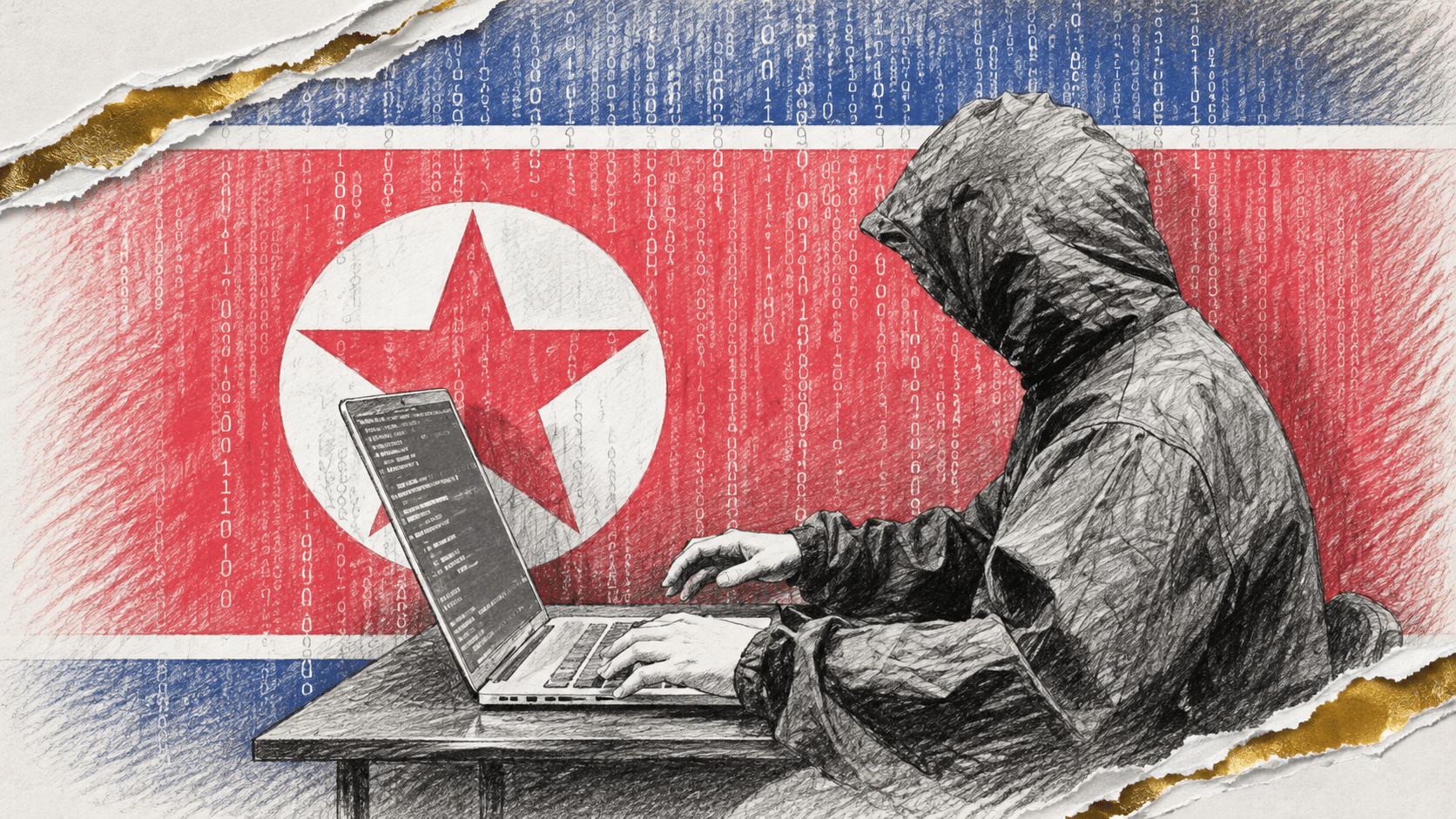
When host Laura Shin inquired about the potential involvement of North Korean hackers, Chen suggested the possibility of both sophisticated actors and ordinary scammers being behind the attempt. This ambiguity raises questions about the breadth of threat actors operating within the cryptocurrency space. Cybercriminals are no longer an isolated group; they're becoming increasingly organized, mirroring legitimate businesses in their operations. There’s a need for exchanges to enhance their defenses against not just technical breaches but also nuanced psychological manipulation.
On the Nature of the Theft
Chen revealed that the culprits exploited a previously unknown vulnerability in an external security tool to gain access to an internal management system, where they issued fraudulent withdrawal commands to Bitget's wallets. This situation resembles previous breaches in which attackers targeted poorly vetted software components. As the cryptographic world expands, acknowledging the possible weaknesses in third-party tools becomes all the more critical. While she refrained from confirming the role of social engineering in the theft, she did indicate that Bitget would be releasing an incident report detailing the event. The looming question is whether this forthcoming report will provide insights that can preempt similar breaches.
As reported earlier, Bitget officially confirmed the loss at $387.5 million, aligning with insights from Unchained. Chen later stated that the techniques used in the attack shared similarities with those employed by hackers linked to North Korea, although she also cautioned that this was based on “preliminary indicators” requiring further analysis and should not be seen as definitive attribution. It’s a tricky situation. Speculating about the origin of the attack adds layers of complexity in understanding both the immediate threats and the wider implications for the crypto economy.
Advice for Industry Peers
In light of the incident, Chen emphasized that attackers often analyze public profiles of industry leaders, leveraging that information to stage more effective scams. “They know I do a lot of interviews, and I engage with many external partners,” she noted. This level of targeting showcases a concerning trend: the personal data available on social media can be weaponized against individuals in powerful positions. If you're working in this space, staying vigilant is key. Be aware of red flags, such as unconventional requests for interviews on lesser-known platforms. “If someone asks for a meeting on a strange livestreaming service, that's a warning sign,” she cautioned. The norm needs to shift towards skepticism and thorough verification.
Chen recommended that any exchange or protocol managing user funds should thoroughly investigate potential vulnerabilities, suggesting that teams assess “every single possibility that you can be exploited.” This approach can help build a defensive architecture that doesn't just respond to threats but anticipates them. Organizations should consider running simulations of various attack vectors and training staff on recognizing phishing attempts and social engineering tactics. (And this is the part most people overlook.) A culture of security needs to permeate every level of an organization, from the tech team all the way up to the executive suite.
Related Listen: I Went Undercover to Interview a North Korean Crypto Hacker
The Bigger Picture: Implications for the Crypto Industry
As the crypto industry moves forward, the implications of these events cannot be overstated. In a space where trust is fragile and volatility reigns, the ability for exchanges to secure their operations is under constant scrutiny. The treatment of personal information and public presence will likely become focal points for regulation and best practices. Industry leaders must shift their perspectives—not only should they funnel energy into technological fortifications, but they also need to embed a security-first mentality into their organizational culture.
Ultimately, if exchanges don't adapt, they could face not just monetary losses but significant reputational damage that can diminish user trust. For those involved—whether as investors, developers, or executives—the stakes have never been higher. The lessons learned from Bitget's experience may resonate deeply, providing cautionary tales that could inform both policy discussions and operational strategies for years to come. The challenge will be creating an environment where security is prioritized while balancing the need for user engagement and accessibility.
The post Bitget CEO Gracy Chen Exposes Sophisticated Scam Attempt After Major Exchange Theft appeared first on Unchained.


Discussion
Sign in to join the discussion.