Chainflip is revamping its services following a Tron vault exploit that affected liquidity providers, resetting their balances and strategies.
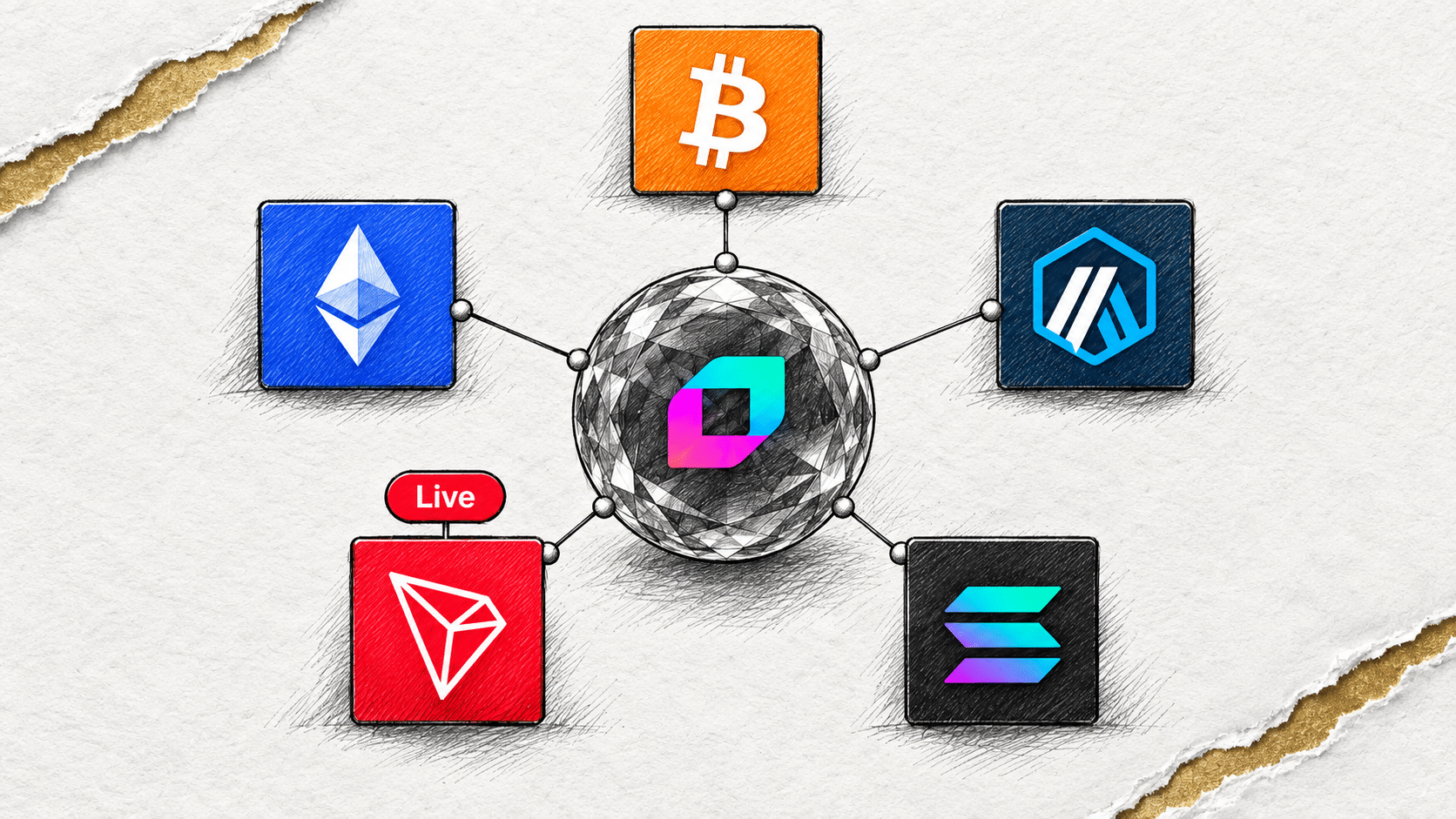
Chainflip is set to reboot its cross-chain swap network while addressing significant challenges stemming from a recent exploit. On September 12, an attacker siphoned off 736,442.17 USDT from Chainflip's Tron vault, prompting a reset for liquidity providers (LPs). Due to the attack, the vault is now incapable of fulfilling the obligations to providers, meaning they will need to claim their amounts instead of seeing a balance reflected in their accounts.
In a September 15 update, Chainflip clarified, “The Tron vault now holds far less USDT than LPs are owed, so those LP balances will need to be reset.” As a result, upon restarting, all pending orders and strategies linked to Tron USDT will be closed, and accounts will show a zero balance. The protocol states it will track what each provider is owed while implementing measures to eventually compensate them, even though specific details on recovery plans remain undisclosed.
Software Update and Security Measures
The protocol's recent software update, version 2.2.13, released on September 15, includes pivotal changes aimed at enhancing security. It captures provider balances in a snapshot at restart while restricting Tron vault transactions to “direct transfers to the Vault.”
Here's the thing: the exploit occurred when an attacker managed to attach malicious memos to transaction requests, leveraging a flaw in the internal process that led to sympathetic handling by the validators. This kind of exploitation illustrates the ongoing vulnerabilities that still exist within decentralized finance platforms. To mitigate this vulnerability, Chainflip has eliminated the option for anything other than simple TRX transfers for vault swaps. This means transactions from smart contract wallets or other aggregators will no longer enjoy easy access to the Tron vault. Chainflip asserts that current integrations should not be affected by this change, but the restrictions may raise questions about user access going forward.
Outstanding Issues and Future Implications
Currently, a user swap of 115,654.41 USDT remains unpaid within the vault, which will be addressable once the network resumes operations. The protocol has also indicated that all other blockchain interactions will be available again upon restart, albeit with Tron operations paused temporarily until further notice. Chainflip disclosed the incident in an initial report dated September 13, emphasizing that all other funds remained secure and labeling the exploit as a major security breach.
This incident underscores ongoing vulnerabilities in decentralized finance, with Blockaid estimating a record 212 exploits occurring in just the first half of the year. Numerous platforms have faced scrutiny or operational disruptions due to similar issues, which raises a red flag for both users and developers in this space. Perceptions of security play a vital role in attracting and retaining liquidity in decentralized finance protocols. With incidents like these piling up, users may become increasingly hesitant to engage with platforms they perceive as risky.
If you're working in this space, this trend may force you to rethink your own security practices. Stronger security measures may be a necessity rather than an option. More regulations? Possibly. And as the industry matures, the stakes aren't just financial; reputations are on the line too.
Implications and Significance of the Incident
This series of events has larger implications beyond just Chainflip. It acts as a stark reminder of the vulnerabilities inherent in decentralized finance systems. As liquidity providers face the daunting task of reclaiming funds and reevaluating trust in the platform, the incident highlights a critical concern for stakeholders: how can decentralized finance ensure investor confidence while maintaining the innovative spirit that drives the sector?
Moreover, the security measures being put in place can be viewed as a temporary bandage over deeper systemic issues. While Chainflip's adjustments address specific flaws, they don't necessarily solve the larger problem of vulnerability to exploits. This is the part most people overlook: the balance between innovation and security requires ongoing vigilance. Could future updates pave the way for more robust solutions, or will we continue to see a cycle of exploits and resets?
Related Listen: OpenAI Says It Cracked a Millennium Prize Problem. Why Is Anthropic Hitting the Brakes?
The post Chainflip Plans to Restart With Tron Paused and Provider Balances Reset appeared first on Unchained.



Discussion
Sign in to join the discussion.