THORChain reiterates its commitment to decentralization, refusing Bitget's demand to block hacker wallets involved in a recent $387.5 million theft.
THORChain has once again resisted Bitget‘s request to block wallets linked to a recent exploit that resulted in the theft of $387.5 million. THORChain stated that its emergency measures are designed to protect the protocol's integrity, rather than allow for the selective freezing of particular funds. This response has reignited the ongoing conversation about the balance between decentralization and security in the crypto industry. Understanding this dynamic is key for anyone involved in or following the sector.
In a post on X, THORChain emphasized, “A halt is not a selective freeze of specific funds or an individual swap. THORChain is permissionless and doesn’t censor by design.” This statement was a direct response to Bitget CEO Gracy Chen, who called for the halting of transactions from the attackers' public addresses. Chen articulated concerns that decentralization should not serve as an excuse for enabling known stolen assets, a position that many in the industry fear could undermine investor confidence in decentralized protocols.
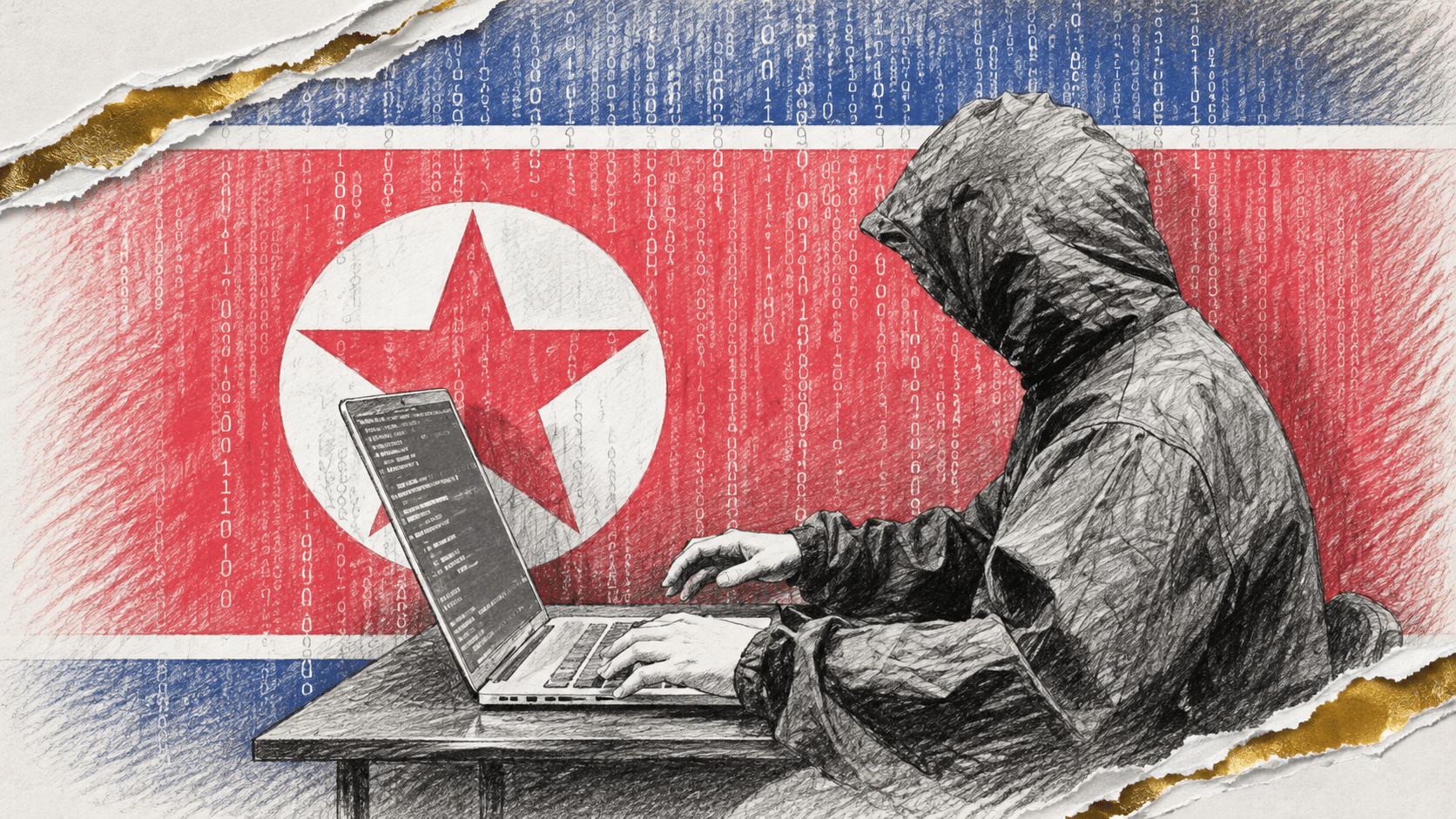
Details surrounding the attack indicate that the perpetrators gained access to Bitget's backend wallet system on September 24. They tricked the platform into approving their own transactions using methods tied to North Korean hackers, further highlighting the ongoing challenges that exchanges face regarding security. If you’re working in this space, consider how this breach not only affects Bitget but also has broader implications for the entire crypto ecosystem; it raises questions about how exchanges implement security measures and what responsibilities they have in relation to decentralized protocols.
Decentralization Debate
THORChain's defense extended to positioning itself alongside Bitcoin, Ethereum, and BNB Chain in terms of decentralization. Yet, critics were quick to argue against the validity of this comparison. Star Xu, founder and CEO of OKX, pointed out that THORChain's validators possess joint control over the assets within its vaults. He noted, “TSS distributes control among multiple parties, but distributing an intermediary does not eliminate the intermediary.” This underscores a tension within the decentralization narrative, as centralized elements often linger beneath the surface.
Security firm GoPlus Security added fuel to the fire by estimating that approximately 101.5 BTC, valued at around $8.5 million, had already flowed out of THORChain, with an additional 27.63 million XRP—roughly $43 million—being converted into Bitcoin. Their warning underscored the need for the industry to avoid taking undue risks for short-term gains. After all, when assets can be so easily siphoned, investors' trust can erode rapidly. This isn't just about numbers; it's about the reputational damage that can impact all decentralized protocols.
Consistency in Response
In defending its stance, THORChain highlighted that during a previous incident in May, where $10.7 million was siphoned from its liquidity pools, the addresses used by the attackers were not blacklisted, allowing them to interact freely with the protocol. They cited Michael Perklin, who dismissed GoPlus’s viewpoints as misrepresentations and insisted that all tools are neutral in themselves. This raises an interesting question: if decentralization is meant to empower users and layers of security disappear, who bears the ultimate responsibility?
This isn't the first time THORChain has faced scrutiny over similar events. Past incidents involve notorious groups rerouting stolen funds through its platform, like the Lazarus Group after the Bybit hack. These repeated lapses have made exchanges like Bitget cautious about their affiliations, reminding many of the historical context and risks tied to engaging with decentralized protocols. In response to concerns from its user base, Bitget reassured that the full extent of the loss would be compensated through its User Protection Fund, underscoring its commitment to safeguarding customers in tumultuous times.
Implications for the Future
The ongoing tug-of-war between decentralization and security raises significant implications for the future. If protocols like THORChain continue to prioritize unflagging permissionless design, the industry could see a rift grow between those advocating for accountability and those pressing for unfettered access.
The reluctance to blacklist or freeze funds may appeal to the ethos of decentralization, but it also presents security risks that could alienate potential users. Trust, as with any financial system, is paramount. The industry's maturity hinges on how entities can balance these competing priorities. For THORChain, how it navigates this situation going forward is vital. Will it stand firm on its principles while the market demands more security? Or will pressure from exchanges and customers force a reevaluation of its foundational tenets? As the dust settles from this latest exploit, these questions linger—shaping the trajectory for decentralized protocols and exchanges alike.
Related Listen: The Chopping Block: ColdCard’s $100M RNG Hack, AI-Powered Security & Ethereum’s Staking Yield Taper

Discussion
Sign in to join the discussion.